





How a Headless CMS Boosts Performance and SEO for Your Content Website
Letícia Caldeirão
•2025-12-10
In a digital landscape where speed and relevance are paramount, how your content is managed and delivered directly impacts your website's success. If you're still tied to a traditional CMS, you might be missing out on a huge advantage in performance and SEO. It's time to uncover how a Headless CMS can be the catalyst for your content's digital transformation.
The Achilles' Heel of Traditional (Monolithic) CMSs
Traditional CMSs like WordPress (in its default form), Drupal, or Joomla are "monolithic." This means that content management (the backend) and visual presentation (the frontend) are intrinsically linked within a single system.
What are the challenges?
• Compromised Performance: The complexity of monolithic architecture, excessive plugins, and heavy themes can lead to slow page load times, negatively impacting user experience and, crucially, your Google ranking.
• Limited Flexibility: The frontend is coupled with the backend, making it difficult to adapt content for different channels (mobile apps, IoT devices, etc.) and innovate with new frontend technologies.
• Security Vulnerabilities: A single, vast platform is a larger target for attacks, requiring constant maintenance.
• Scaling Difficulty: Scaling the performance of a monolithic system can be a complex and expensive challenge.
The Headless Revolution: Content Without a Head, Limitless Potential
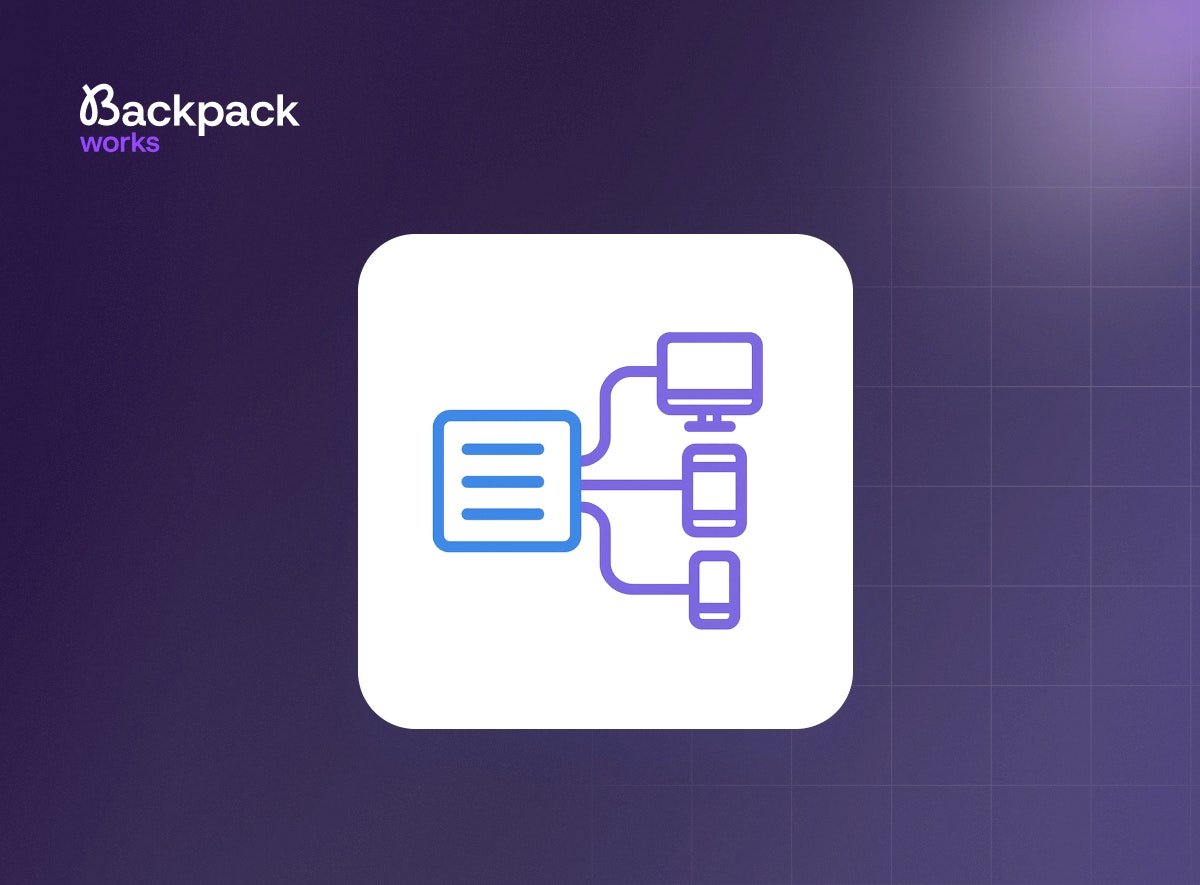
A Headless CMS inverts this logic: it focuses exclusively on content management and storage. The "body" is the content itself, and the "head" (the frontend, or presentation layer) is decoupled. Content is then delivered via APIs (Application Programming Interfaces) to any platform or device.
How a Headless CMS Drives Performance and SEO
- Blazing Fast Performance with Ultra-quick Load Times
• Clear Separation: The absence of a coupled frontend means the CMS isn't rendering pages. It simply serves raw data. This allows you to build an ultra-fast frontend using modern technologies like React, Vue, Angular, or static site generators like Gatsby and Next.js.
• Optimized Loading: Websites built with these frameworks can achieve millisecond load times using techniques like Server-Side Rendering (SSR), Static Site Generation (SSG), and code splitting. This is a massive gain for user experience and, consequently, for SEO. - Robust SEO and Search Engine Optimization
• Flawless Core Web Vitals: A fast, performance-optimized website directly translates into excellent Core Web Vitals metrics (Largest Contentful Paint (LCP), Cumulative Layout Shift (CLS), First Input Delay (FID)), which are crucial ranking factors for Google.
• Total Control over On-Page SEO: The decoupled nature allows developers granular control over HTML structure, metadata (titles, descriptions), structured data (Schema.org), and URLs, ensuring the site is perfectly optimized for search crawlers.
• Consistent Multi-Platform Content: Content can be easily distributed and adapted for different platforms, maintaining consistency and indexability everywhere. - Extreme Flexibility and Omnichannel Experiences
• "Create Once, Publish Anywhere": Your content becomes a central data source, which can be consumed by your website, mobile applications, smartwatches, IoT devices, kiosk screens, and more, all from a single CMS.
• Technological Freedom: Choose the best frontend technologies for each use case, without being tied to a single ecosystem. This means more innovation and less technical debt. - Simplified Scalability and Enhanced Security
• Microservices: The decoupled architecture facilitates the scaling of individual system components.
• Reduced Security Risk: The attack surface is smaller because the backend (CMS) is not directly exposed to the public like in a monolithic system. APIs can be tightly controlled.
Transition to the Future of Content
Adopting a Headless CMS isn't just a trend; it's a strategic imperative for businesses seeking high performance, superior SEO, and the ability to deliver relevant content at every customer touchpoint. It represents an investment in your content website's agility, scalability, and user experience.
Don't let your CMS be a bottleneck for growth. It's time to unleash your content's potential with a Headless architecture.
Backpack helps you migrate from outdated CMS platforms to headless solutions like Prismic and Sanity, powered by Next.js and Vercel. The result: faster sites, scalable growth, and marketing teams free to launch landing pages without developer bottlenecks.
Ready to get started? Let’s talk now!
Thoughts on building, scaling & shipping

Letícia Caldeirão
•2025-11-28
How to Decide Between WordPress and Webflow to Optimize Your SaaS Website
A practical guide to choosing your CMS to grow with your website and product.

Letícia Caldeirão
•2025-11-28
What is an llms.txt File and Why Your Website Needs One
A practical guide to building a llms.txt file for your website.
Letícia Caldeirão
•2025-11-28
How to Decide Between WordPress and Webflow to Optimize Your SaaS Website
A practical guide to choosing your CMS to grow with your website and product.
Letícia Caldeirão
•2025-11-28
What is an llms.txt File and Why Your Website Needs One
A practical guide to building a llms.txt file for your website.